Kitchen Remodeling Publicity in Los Angeles, CA
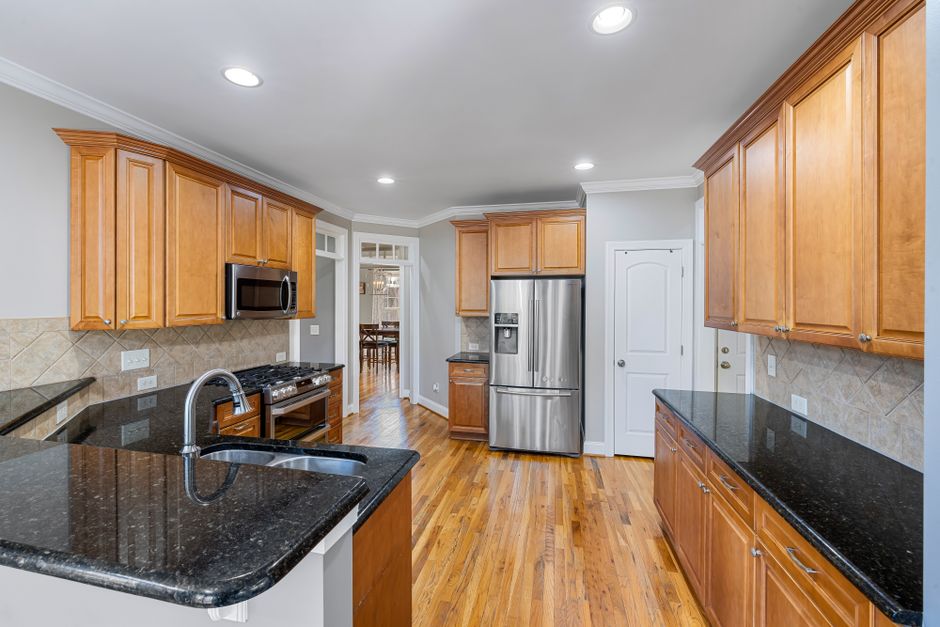
Notes on earning press, awards and community attention for a kitchen remodeling company in Los Angeles, CA, and turning that coverage into trust.
What We Cover
- Do Community Sponsorships Help a Los Angeles Remodeling Company Get Noticed Choosing local sponsorships across Los Angeles County that reach homeowners and earn lasting mentions.
- Can a Neighborhood Home Tour Showcase Your Kitchen Work in Los Angeles How remodelers in Silver Lake, Pasadena and beyond can place a completed kitchen on a home tour and capture attention.
- Which Design Awards Are Worth Entering for a Los Angeles Kitchen Remodeler How to judge regional and trade design awards, prepare entries and use a win without overstating it.
- How Do You Pitch a Finished Kitchen to Los Angeles Home Press What editors at local home and design outlets want to see when a Los Angeles remodeler pitches a completed kitchen project.
- What Does Trade Association Involvement Do for a Los Angeles Kitchen Remodeler How membership, committee work and speaking at local chapter events build credibility with homeowners and editors.
- How Do You Turn Press Coverage into Trust on a Remodeling Website Ways a Los Angeles remodeler can present coverage, awards and features on its site so homeowners feel confident.
Kitchen Remodeling Publicity in Los Angeles, CA
A finished kitchen is the best argument a remodeler has, but only if the right people see it. Publicity for a kitchen remodeling company in Los Angeles, CA is the work of getting completed projects in front of editors, judges, neighbors and homeowners who are weighing a major renovation, then making sure that attention leads somewhere useful.
Why earned attention matters here
Los Angeles County is a crowded market with thousands of contractors competing for the same homeowners. A feature in a local home publication, a design award or a spot on a neighborhood tour tells a prospective client that someone independent looked at the work and found it worth noting.
Where the attention comes from
It comes from many small places: a project in Silver Lake pitched to a design editor, a home tour in Pasadena, a sponsorship that reaches families in the San Fernando Valley, a seat on a committee in a trade association. Each one is modest alone, and together they build a recognizable name.
Turning coverage into trust
Coverage only pays off when a visitor to the company website can see it, understand it and connect it to real projects. Awards, features and association roles need dates, context and honest wording, and they belong beside the work they describe, whether the kitchen sits in Santa Monica, Glendale or on the Westside.
What a remodeler can control
Editors, judges and event organizers make their own choices, but the remodeler decides how well a project is documented. Clear photographs, a written account of the problem solved, a homeowner who has agreed to be named and a permit record from the Los Angeles Department of Building and Safety make a project easy to say yes to. Preparation done at the end of a job is what makes later attention possible.
Guides
The pages here cover pitching finished kitchens to home press, choosing design awards, using home tours, picking community sponsorships, trade association involvement and presenting press coverage on a remodeling website.
Latest Guides
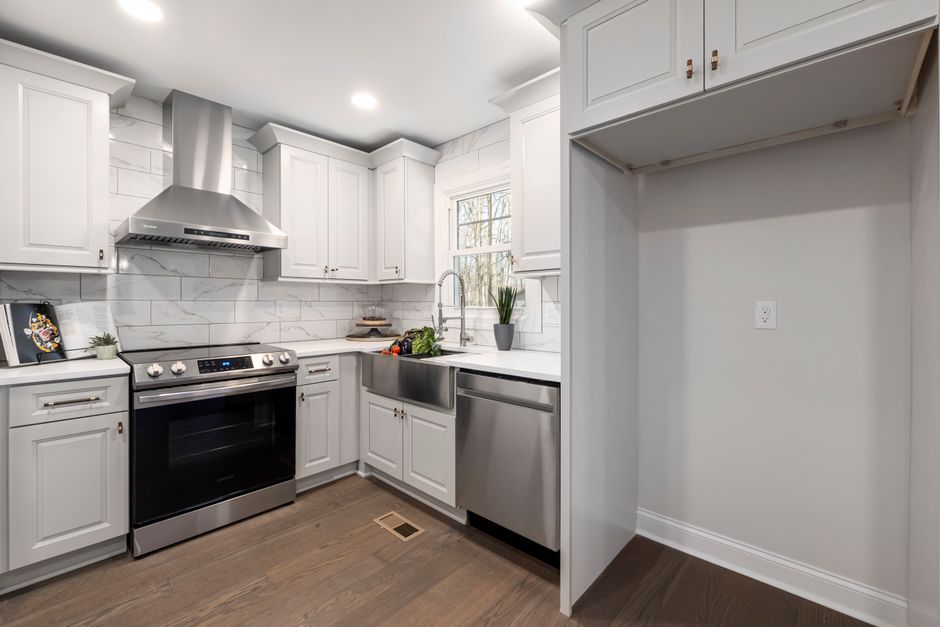
How Do You Plan a Year of Publicity for a Los Angeles Kitchen Remodeling Company
2026-10-06
Most kitchen remodelers treat publicity as something that happens to them. A magazine calls, a neighbor posts a photo, a project wins a small prize, and the company enjoys it for a week. Companies that are noticed year after year usually work from a plan, even a simple one. In Los Angeles County the plan has to account for long project timelines, a wide geography and the fact that a kitchen finished in October may not make sense to pitch until the following spring. A calendar solves most of those problems.
Why does a calendar beat a burst of effort?
Attention builds slowly. An editor who sees a remodeler's name three times over a year begins to recognize it. A homeowner who sees the same company at a home tour, in a neighborhood newsletter and on a design page begins to trust it. One large push in a single month produces one spike of notice and then silence. Smaller steps spread across twelve months produce a steady presence, and they fit around actual job schedules instead of competing with them.
A calendar also forces a useful discipline: decisions are made in advance. Which projects are worth pitching, which events deserve a sponsorship, which awards are worth the entry work. Without dates, those questions are answered in a rush or not at all.
What does a year look like, season by season?
The plan below assumes a small to mid sized company completing a handful of kitchens each season. Adjust the timing to match the local editorial cycles and event dates the company actually sees.
| Season | Main focus | Typical tasks |
|---|---|---|
| Winter | Documentation and planning | Photograph kitchens finished in the fall, write project fact sheets, choose the year's awards and events |
| Spring | Pitching and home tours | Send the best finished projects to home and design editors, offer a kitchen for a neighborhood tour |
| Summer | Community and sponsorships | Support local events, school programs and neighborhood associations, collect photographs of the work |
| Fall | Awards and association work | Submit entries, attend chapter meetings, update the coverage page on the company site |
What should happen in winter?
Winter is the quiet planning season for publicity, and it is when the groundwork gets done. Kitchens finished in the fall are photographed while the homeowner still remembers the process. Each project gets a short fact sheet that notes the type of house, the problem solved, the materials and the permits. Homeowners are asked, in writing, whether they are comfortable with press attention and with their neighborhood being named.
This is also the season to pick targets. Look at the past year and list the outlets, events and awards that reached the kind of homeowner the company wants. Silver Lake, Pasadena and the Westside each have their own home tour circuits and neighborhood publications. Choose a short list and write the dates next to each. A list of five good targets is worth more than a list of twenty vague ones.
What belongs in spring?
Spring is when editors begin planning summer and fall coverage, and when many neighborhood home tours take place. It is the best time to pitch finished projects. Choose the two strongest kitchens from the winter documentation and write a separate short note for each outlet. Lead with the story: a hillside house in Silver Lake where a tight footprint forced a clever layout, or a San Fernando Valley ranch where a wall came out and the family room opened up.
Spring is also the moment to ask a willing homeowner about a tour. Organizers often set their lists months ahead, so a request in March for an autumn tour is not early. Prepare the room, agree on who will staff it and decide what, if anything, will be left on the island for visitors to read.
How should summer be used?
Summer fits community work. School fundraisers, neighborhood association events and local festivals fill the calendar, and many groups look for sponsors. Pick the ones that reach homeowners rather than renters, and ask for visibility that lasts beyond the weekend, such as a listing on the organization's website or in its newsletter.
Summer is also a good season to give time instead of money. A crew that repairs a community room or builds a set of shelves for a local library creates a story that local writers like, and a project that was permitted properly through the Los Angeles Department of Building and Safety, when permits were required, makes the story safer to tell. Take photographs, with permission, and keep them for the coverage page.
What gets done in fall?
Fall belongs to awards, associations and housekeeping. Many design awards open entries in the second half of the year. Use the winter fact sheets as the starting point for each entry and add the photographs and a short account of the constraints. Enter only the programs that fit the target list, because every entry costs hours of work.
Association meetings pick up again in the fall as well. Volunteering for a committee, offering to speak at a chapter event or sharing a lesson from a hard project builds credibility among the architects, designers and other remodelers who send referrals. Fall is also when the coverage page on the website should be reviewed. Add anything new from the year, fix dates, remove items that no longer represent the company and make sure every award is described exactly as it was granted.
How do you keep the plan realistic?
The most common failure is ambition. A remodeler who commits to a pitch every week will quit in a month. A plan that asks for one useful action per week, or even per fortnight, can be sustained for years. Assign each task to a named person, put the dates on a calendar that everyone sees and review the plan briefly at the end of each season.
- Keep one folder per project, with the fact sheet, approved photographs and the homeowner's written permission.
- Keep one spreadsheet of outlets, editors, event organizers and award programs, with the date of the last contact.
- Write each pitch for one outlet. A message that could go to anyone usually goes nowhere.
- Record every mention the day it appears, with the date, the outlet and a copy.
- Ask each new inquiry how they heard about the company and write the answer down in the same place every time.
How do you tell what is working?
Attribution is imperfect, and across a metro the size of Los Angeles County it will stay imperfect. Still, patterns appear over a year. Certain events show up in the answers new inquiries give. Certain outlets send readers who ask for a consultation by name. Certain awards come up when homeowners compare contractors. Review those notes once a year and cut what never appears. Put the saved hours toward the sources that do.
Judge the results honestly. Coverage that is pleasant but never mentioned by a single prospective client may still be worth keeping for the trust it builds on the website, but it should not take a large share of the time. The goal is to turn finished kitchens into a steady, recognizable presence among the homeowners who are most likely to hire.
Frequently asked questions
When should a finished kitchen be pitched?
Photograph it within weeks of completion, then pitch it when the target outlet is planning the relevant season. For many home publications, that means several months after the work is done.
What if a company completes only a few kitchens a year?
Fewer projects means each one deserves more care. Document each fully and choose carefully which to pitch.
Is one person enough to run the plan?
Yes, for a small company. One person can handle the calendar, the folders and the pitches in a few hours a month.
A modest plan carried out for twelve months does more than an ambitious one dropped after six weeks.
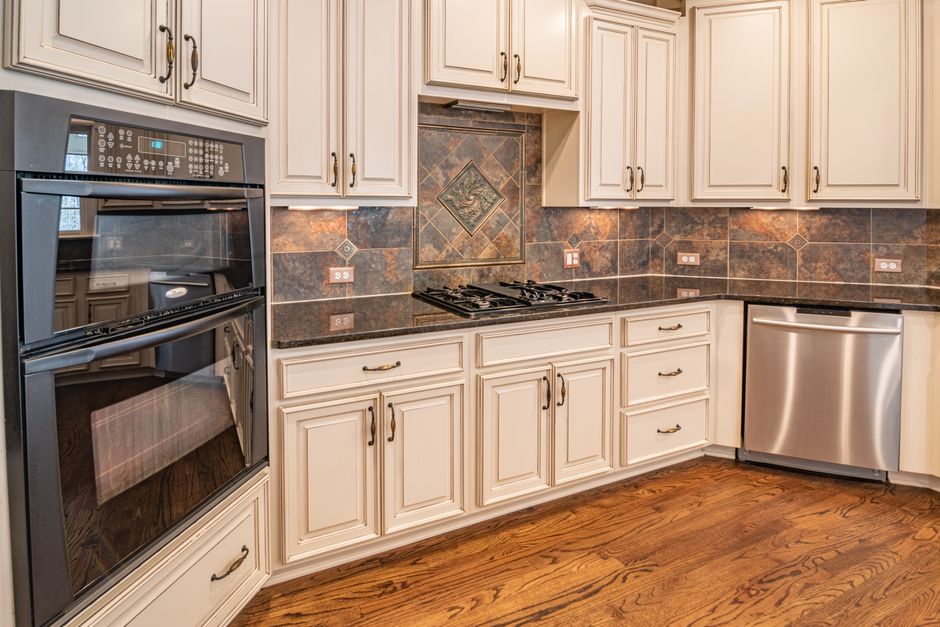
What Should a Los Angeles Kitchen Remodeler Do When a Reporter Calls
2026-10-06
The call usually comes at a bad time. A crew is waiting on a delivery, a homeowner is texting about a change order, and a writer from a local home publication wants ten minutes about a kitchen the company finished last spring. Owners who have never been interviewed tend to say yes too quickly or ignore the message altogether. Both choices waste something. A reporter's interest is a small window, and a little preparation done before the call ever arrives decides whether it turns into a useful mention or an awkward quote.
Why does preparation matter before anyone calls?
Writers covering home and design in Los Angeles County work against deadlines that are often a day or two long. They are not looking for a sales pitch. They want a person who can explain what happened in a project, in plain language, without needing to check with three other people first. A remodeler who can answer within the hour and speak specifically about a project is remembered, and that memory is what brings the next call.
Preparation also protects the homeowner. Every finished kitchen belongs to someone who let a crew into the house for months. Talking about their home, their layout and their neighborhood without clearing it first can damage a relationship that took a long time to build. A short written understanding with each homeowner, signed before the final walkthrough, avoids that.
What belongs in a project fact sheet?
Keep one page for each finished kitchen, stored where more than one person can find it. It should hold the facts a writer will ask for in the first five minutes, so nobody has to rebuild the story from memory.
- The type of house and its age, such as a 1950s ranch in the San Fernando Valley or a craftsman bungalow in Pasadena.
- The problem the project started with: a closed off layout, an undersized pantry, failing plumbing behind the sink wall.
- The main decisions made to solve it, including what was kept and what was removed.
- The materials chosen and why they suited the house and the way the family cooks.
- The permits pulled, the inspections passed and the agency that handled them.
- The names of the designer, cabinet maker and trade partners who deserve credit.
- The approximate length of the job in weeks, which tells a reader something real about the process.
- A folder of approved photographs with the homeowner's written permission noted beside it.
With that page in front of them, an owner can speak about a kitchen in Silver Lake or Glendale as comfortably as they would about their own house. Without it, details blur, dates are wrong and the reporter ends up with a thinner story than the project deserved.
Who should speak for the company?
In a small remodeling company the owner is usually the natural voice, but not always. A lead carpenter who solved a tricky structural problem may describe it better. A designer may explain a layout choice with more clarity. Decide in advance who answers which kind of question, and let the writer know if someone else is better placed to help. Naming a second source makes a reporter's job easier and often means a longer piece.
Whoever speaks should know the limits. Questions about what the homeowner paid, what a competitor does or what a particular supplier charges are not theirs to answer. A polite sentence such as "that is the homeowner's information" or "I would rather not speak for other companies" ends the topic without drama.
How do you handle the interview itself?
Ask three things at the start: what the piece is about, who else is being interviewed and when it is due. Then answer in short, concrete sentences. Lead with the situation, then the decision, then the result. A good answer sounds like this: the cabinets ran into a window, the window could not move because of the street facing facade, so the sink was shifted to the island and the window stayed. It names a problem, a constraint and a solution, and an editor can quote it as written.
A few habits help in almost every interview.
- Speak about the work, not the company. Writers cut self praise first.
- Use ordinary words. Saying that a wall was taken out is clearer than saying it was removed through a structural intervention.
- Do not guess. If a date or a measurement is uncertain, offer to send it afterward and then send it.
- Avoid speaking ill of other contractors, previous owners or the city. It reads badly and rarely gets printed in a flattering way.
- Mention the neighborhood naturally, since local editors want local detail, whether the house sits on the Westside or in Santa Monica.
What about permits and the building department?
Many stories about remodeling in Los Angeles involve the permit process, because homeowners fear it. A remodeler who can describe plainly how a kitchen project moved through the Los Angeles Department of Building and Safety, or through a separate city office in places such as Santa Monica or Pasadena, becomes a useful source. Stick to what happened on actual jobs. Describe the order of steps and the kinds of changes that need plan review, and avoid sweeping statements about how the department behaves. Processes shift, and a careless remark about an agency can come back later.
Should you ask to see the story first?
Most publications do not allow subjects to approve copy, and asking can sour the exchange. A better request is to offer a fact check: ask whether the writer would like you to confirm names, spellings and technical details before it runs. Many appreciate it, because errors about trade terms are common. Corrections to facts are welcome. Requests to soften opinions are not.
What happens after the story runs?
The work after publication is quieter and just as valuable. Save the piece in a form that cannot disappear, record the date and the outlet, and thank the writer briefly. Then put the coverage where homeowners will see it: on the page for that kitchen, in a coverage page on the company site and in a short note to the homeowner whose house was featured. A homeowner who is pleased with how their kitchen was described is the best referral source a remodeler has.
If the piece contains a mistake, a polite note to the writer with the correct fact and the supporting detail usually works. Online pieces are often updated. Printed ones are not, and a calm correction request sent promptly is better than a public complaint.
How do you build the habit?
Treat press readiness as maintenance, like keeping vehicles serviced. At the close of each job, fill in the fact sheet, collect the photograph permissions and write down two or three sentences about the problem the project solved. Once a quarter, read through the pages and decide which projects have the strongest stories. Choose one and pitch it. When a call does come, the answers are already written down.
Across a metro as large as Los Angeles County, there are always more remodelers than editors. The ones who get covered are rarely the ones who built the most expensive rooms. They are the ones who can say what they did and why, who respond when asked and who respect the people whose homes they work in.
Frequently asked questions
Is it a mistake to turn down an interview?
Not always. If the topic is outside the company's experience or the deadline is impossible, declining politely and suggesting another source keeps the door open for later.
Can a remodeler send photographs without the homeowner's permission?
No. Even when the photographs show only the kitchen, the home belongs to someone else. Written permission should come first, and it should say where the images may appear.
How long should an answer be?
Thirty seconds is usually enough. Offer the short version first, then add detail if the writer asks for it.
Should the company comment on a negative story about the industry?
Only with facts it can stand behind. A measured comment about how the company handles a situation is useful. A defensive reply about the whole trade rarely helps.
Preparation turns a surprise call into a short conversation with a clear result.